
How Professional Cabinet Refinishing Can Transform Your Kitchen

Cabinet Refinishing

Rearranging furniture can be an effective way to rejuvenate your home. However, most renovation projects require specialized skills that many homeowners lack.

San Jose Cabinet Refinishing is a great option for homeowners seeking a kitchen transformation that’s affordable and functional. The process can be completed in a fraction of the time it takes to replace cabinets.

Cost-Effective

Cabinet refinishing delivers on the kitchen upgrade you’ve always wanted without the big-ticket cost of replacement. In fact, refinishing can save you 50-70% versus replacing cabinets. That extra cash can go towards other renovation projects like new countertops, appliances, and flooring that will add value to your home.

Moreover, refinishing preserves quality construction, allowing you to extend the life of solid wood cabinetry by 8-15 years, as opposed to less sturdy and often lower-quality factory-made options that can show wear in just a few years. It also diverts hundreds of pounds of waste, such as old doors and cabinet carcasses that would otherwise be thrown away.

Professional refinishing is also a much faster project than full cabinet replacement, with many jobs completed in just several days to a week. This is especially true if you opt for high-quality products that are designed to withstand the demands of a busy home kitchen. In addition, the team protects floors and countertops to minimize mess, while using HVLP sprayers for even coverage and consistency.

Another advantage of refinishing is that it provides the creative freedom to achieve the aesthetic you want, including a rustic, transitional, or modern style. With the right design and color, your cabinets can feel brand new and align with your style preferences. By contrast, replacement offers limited flexibility unless you want to dramatically change the layout or switch materials to something new.

A final benefit of refinishing is that it can enhance your home’s resale value. Studies show that refreshed cabinetry is more appealing to buyers and helps generate higher offer prices compared to outdated or damaged cabinets. When comparing cabinet refinishing to replacement, it’s important to consider your budget and overall goals.

Cabinet refinishing works best when you’re looking to refresh your home’s visual appeal without a significant investment, or if your cabinetry is structurally sound but simply outdated. However, if you’re ready for a dramatic change or want to add new features like soft-close hinges and sleek hardware, a full remodel may be the right fit. A consultation with a local expert can help you weigh your options to determine the most suitable project for your needs and budget.

Aesthetically Pleasing

Cabinet refinishing is an excellent option if you want to modernize your kitchen without the cost and disruption of a full remodel. Whether your cabinets are structurally sound but outdated or you have minor damage that requires repair, refinishing will yield a dramatic aesthetic while saving you the time and expense of replacing them entirely. In addition, refinishing preserves the original structure of your cabinets, which can be beneficial if you have an antique or historic style that you’d like to retain.

The process starts with a consultation with a qualified professional to assess your cabinets and discuss your goals. This is a chance for you to share your vision with the team, and it also gives them an opportunity to explain how they can achieve your desired results.

After the initial consult, your cabinets will undergo a thorough surface preparation that includes sanding and cleaning. This creates a smooth, even texture that helps the primer and paint adhere to the surface. Additionally, any dings, scratches, or other damage are filled and leveled. This step is critical for ensuring that your new finish will last over time.

Next, a stain or a coat of paint is applied. This is your opportunity to choose a color that perfectly matches your home and style. If you’re unsure of how to proceed, a professional color consultant can provide expert guidance on color palettes and sheen levels that are both modern and durable.

Lastly, a protective sealant is added to the finished product. This enhances durability and keeps the finish looking fresh for years to come.

Professional cabinet refinishers use advanced tools and industry-leading materials to produce an aesthetically pleasing finish that can withstand years of wear and tear. They’re also skilled at identifying and addressing any potential issues that may go unnoticed by DIY projects, such as wood damage or improper prep. This ensures that your cabinets will look stunning and remain in good condition for years to come.

Long-Lasting

Refinishing professionals have access to high-end equipment, including industry-grade sanders and sprayers, which ensures your cabinets receive a meticulous finish. These tools, along with a professional’s expertise, guarantee a smooth surface that will stand up to years of use. In contrast, a novice DIYer might struggle with a lack of the proper equipment and experience, resulting in a sloppy or uneven finish that’s less likely to hold up against wear and tear.

In addition to a flawless surface, refinishing teams know how to apply durable protective coatings that protect your cabinets from damage and keep them looking fresh. These coatings can withstand the daily grind of kitchen chemicals and grease, and they’ll resist chipping, scratching, fading, and staining far longer than standard paints.

When you choose a refinishing company, your project will start with an in-home consultation. During this meeting, your consultant will take measurements and discuss your goals for the room. They’ll work with you to create a result that fits your style, budget, and timeline, ensuring a stress-free process.

A refinishing job should be done in a well-ventilated space. This will help the air move through the area faster, preventing odors and creating an environment that’s healthier for you and your family. Professionals will also use low- or no-VOC products, which are safer for your health and help to improve the quality of your home’s indoor air.

A full cabinet replacement is a huge project that requires weeks of disruption and leaves your kitchen out of commission. Refinishing, on the other hand, is a fast and efficient option that’s perfect for busy homeowners. You’ll get the look of a major kitchen renovation without the cost and hassle of complete remodeling. Plus, you’ll enjoy a beautiful new look in the heart of your home. For a truly unique kitchen upgrade, consider cabinet refacing. This technique transforms your cabinets by covering doors, drawer fronts, and box exteriors with premium 3D laminate, preserving the sturdy frame underneath. This results in a completely refreshed appearance that stands up to the test of time. For even more value, combine refacing with refinishing to save both time and money.

Easy to Maintain

Cabinet refinishing takes less time and is easier to maintain than a complete kitchen renovation. It’s also a more environmentally sustainable option, reducing the amount of waste and excess materials created by full-scale replacement. Replacing cabinets generates large amounts of lumber, particleboard, adhesives, and finish materials, most of which aren’t recyclable. This translates to substantial environmental strain, while refinishing uses only the existing cabinets and eliminates the need for additional new cabinetry or plumbing/electrical updates.

Professional painters are highly trained in proper surface preparation and application techniques, ensuring beautiful results that last. A properly applied coat of stain, for example, will not only provide a natural, deep appearance, but it can also be protective against moisture and grease buildup. A clear coat polyurethane sealant can also be used to guard against chipping and wear.

By contrast, most DIY-style refinishing projects result in streaky or uneven appearances that expose the underlying primer and can be difficult to clean. This type of sloppy work creates an unpleasant finish and can require re-application and re-staining, extending your renovation time significantly.

To keep your cabinets looking their best, it’s a good idea to use a soft cloth or sponge to gently wipe surfaces, paying special attention to corners and edges, as well as the areas closest to appliances where grease residue tends to accumulate. After wiping, it’s important to dry the cabinets completely to avoid moisture damage and potential peeling. It’s also a good idea to use felt pads on the bottoms of all hardware pieces, which helps prevent scratches and dents to your refinished surfaces.

Taking care of your cabinets will help them stay in pristine condition for years to come. In the event that your cabinetry does experience a scratch or chip, it’s possible to touch up the affected area using furniture-touch-up markers and wax sticks. Avoid abrasive sponges and scrub brushes, which can leave microscopic scratches and dull the finish over time, as well as silicone-based polishes that interfere with future touch-ups.

Cabinet refinishing can transform your kitchen, offering you long-lasting beauty and function. It’s a great choice for homeowners looking to enhance their home’s value without the expense and hassle of a full renovation.
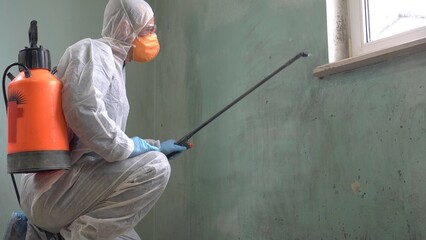
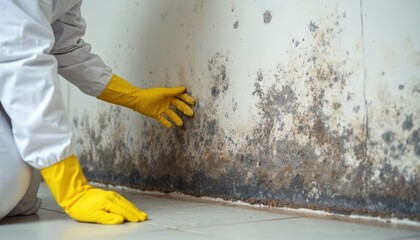
Restoring Freshness and Safety with Effective Mold Removal

Mold is more than just an unsightly nuisance; it can compromise the health of a home and the people living in it. Left untreated, mold spreads quickly and damages walls, ceilings, furniture, and even the structural integrity of a building. Addressing it promptly and properly is essential for maintaining a clean, safe, and healthy environment. Mold removal, when done thoughtfully, not only eliminates visible growth but also tackles the underlying conditions that allow it to thrive.

mold removal

Understanding the Nature of Mold

Mold is a type of fungus that thrives in damp, humid, and poorly ventilated areas. It reproduces through tiny airborne spores that are invisible to the naked eye. When these spores settle on moist surfaces, they begin to grow, creating colonies that appear as dark patches or fuzzy growth. Common indoor areas affected by mold include bathrooms, basements, kitchens, attics, and any other areas where water damage has occurred.

Aside from damaging surfaces, mold can trigger allergies and respiratory issues, especially in sensitive individuals. This makes mold removal a vital part of maintaining not only a home’s appearance but also its indoor air quality.

Identifying Mold Growth

Recognizing mold early is the first step to effective removal. While some mold is easy to spot—appearing as black, green, or gray patches—other growth may be hidden behind walls, under flooring, or inside ventilation systems. A musty odor is often a telltale sign of hidden mold.

Regularly inspecting areas prone to moisture, such as around windows, under sinks, and near leaky roofs or pipes, can help you catch mold before it spreads. Early detection minimizes damage and makes the removal process faster and more manageable.

Preparing for Mold Removal

Before tackling mold removal, it’s important to assess the scope of the problem. Small patches on hard surfaces can often be cleaned safely by homeowners, but larger infestations may require professional assistance to ensure complete eradication and safety.

Protective gear such as gloves, goggles, and masks should be worn to reduce exposure to spores during cleaning. Isolating the affected area by closing doors or using plastic sheeting can prevent spores from spreading to other parts of the home.

Steps to Remove Mold Effectively

  1. Address the source of moisture: Mold cannot grow without moisture. Fix leaks, improve drainage, and reduce humidity before beginning the removal process. Without eliminating the water source, mold will simply return.
  2. Clean affected surfaces: Hard, nonporous surfaces can be scrubbed with appropriate cleaning solutions to remove visible mold. Using disposable cloths or sponges helps avoid cross-contamination.
  3. Dispose of contaminated materials: Porous materials like carpets, ceiling tiles, or drywall may need to be removed and replaced if heavily infested, as mold can penetrate deep into their fibers.
  4. Dry the area thoroughly: After cleaning, ensure the area is completely dry. Fans, dehumidifiers, and improved ventilation help speed up the drying process and discourage regrowth.

Preventing Mold from Returning

Mold removal is only part of the solution; prevention is equally important. By controlling moisture and improving airflow, you can greatly reduce the chance of mold returning.

  • Ventilation: Use exhaust fans or open windows in kitchens, bathrooms, and laundry areas to reduce humidity.
  • Humidity control: Keep indoor humidity levels at a moderate range with dehumidifiers or air conditioners.
  • Regular maintenance: Check plumbing, roofing, and gutters for leaks. Promptly repair any water damage to stop mold before it starts.
  • Proper drainage: Ensure that water flows away from your home’s foundation to prevent moisture buildup in basements or crawl spaces.

Natural Light and Airflow

Sunlight and fresh air are natural deterrents to mold growth. Where possible, allow sunlight to reach damp areas by keeping curtains open or using transparent covers. Increasing airflow with fans or open vents helps reduce stagnant air where moisture can accumulate.

In basements or other enclosed spaces, adding vents or installing a dehumidifier can create conditions that are less favorable for mold. Small adjustments like these can make a significant difference in long-term mold prevention.

Mold Removal for Different Surfaces

Not all surfaces require the same approach.

  • Hard, nonporous surfaces such as tiles, glass, and metals are easiest to clean. Mold can usually be scrubbed away and wiped dry.
  • Semi-porous surfaces like wood may require deeper cleaning and drying to ensure mold does not penetrate below the surface.
  • Porous materials such as carpets, insulation, and fabric are more challenging. If mold infestation is severe, replacement is often the safest option.

Understanding the nature of each surface ensures you’re using the right cleaning method and minimizing damage.

Safety Considerations During Mold Removal

Mold removal can release spores into the air, increasing exposure risks. Wearing protective clothing reduces direct contact, while using masks or respirators prevents inhalation. Keeping children, pets, and vulnerable individuals out of the affected area during cleaning is also recommended.

Proper disposal of contaminated materials is important. Sealing debris in bags before removing it from the house prevents spores from spreading to clean areas. After finishing the job, washing hands, clothes, and tools reduces lingering contamination.

The Role of Regular Cleaning

Routine cleaning helps keep mold at bay. Wiping down surfaces prone to moisture, such as shower walls or window sills, prevents spores from finding a foothold. Regular vacuuming with a HEPA-filter vacuum can also reduce the number of mold spores in the air and on surfaces.

Even after mold removal, ongoing vigilance is key. Inspect vulnerable areas periodically to catch any new growth early. Keeping your home clean and dry makes mold prevention far easier.

The Benefits of Professional Help

For large infestations or cases where mold has penetrated deeply into walls or ventilation systems, professional remediation may be necessary. Experts have the tools, training, and safety protocols to remove mold thoroughly and prevent regrowth. While small DIY efforts can handle minor issues, serious cases often require a more comprehensive approach.

Professional services may also include testing to identify the type of mold and the extent of contamination. This information helps guide effective treatment and long-term prevention strategies.

A Healthier Home through Mold Removal

Effective mold removal goes beyond cosmetic improvement. It safeguards the health of your household, preserves the value of your property, and restores freshness to your living environment. By combining immediate cleanup with long-term prevention strategies, you can create a home that is cleaner, safer, and more comfortable.

Whether dealing with a small patch of mold or a more extensive problem, the key is to act promptly. Address moisture issues, clean thoroughly, and maintain good ventilation to keep mold from returning. With proper care and attention, mold removal can transform your home from a musty, compromised space into a healthy and inviting haven.

What Is Water Damage Restoration and How Does It Work?

Water Damage Restoration

Water damage restoration is the process of cleaning, repairing, and restoring a property after it has been affected by unwanted water intrusion. Water damage can occur suddenly or develop slowly over time, but in both cases it can cause serious structural and health related issues if not addressed properly. Common causes include burst pipes, leaking appliances, roof leaks, flooding, sewer backups, and even minor plumbing issues that go unnoticed for long periods. Visit All Pro Services for more information.

When water enters a home or building, it does not simply sit on the surface. It quickly spreads into flooring, walls, insulation, furniture, and personal belongings. Porous materials absorb moisture, which creates the ideal environment for mold growth and material deterioration. Even small amounts of water can weaken structural components if left untreated.

Water damage restoration exists to stop this progression. Its goal is not only to remove visible water but also to address hidden moisture, prevent long term damage, and return the property to a safe and functional condition.

The Importance of Acting Quickly After Water Damage

Time is one of the most critical factors in water damage restoration. The longer water remains in a structure, the more damage it causes. Within minutes, water can spread across floors and seep into walls. Within hours, wood can begin to swell, drywall can soften, and metal components may start to corrode. After a day or two, mold growth becomes a serious risk.

Quick action reduces repair costs and limits damage. Addressing water intrusion early can prevent the need for major reconstruction and protect valuable belongings. It also helps maintain indoor air quality, which can decline rapidly in damp environments.

Water damage restoration professionals emphasize rapid response because early intervention often makes the difference between a manageable restoration and a costly rebuild. Understanding this urgency helps property owners prioritize immediate action when water damage occurs.

What Water Damage Restoration Involves

Water damage restoration is a multi step process designed to address both visible and hidden damage. It goes beyond simple cleanup and requires specialized equipment and expertise. The goal is to remove water, dry affected areas, clean and sanitize surfaces, and restore damaged materials.

The process begins with an assessment to determine the extent of the damage and identify the water source. This evaluation helps determine the appropriate restoration plan and safety precautions. Not all water damage is the same, and different types of water present different risks.

Once the plan is established, restoration professionals begin removing standing water and moisture. Drying, cleaning, and repairs follow in a structured sequence. Each step builds on the previous one to ensure the property is fully restored and safe for occupancy.

Types of Water Damage and Their Impact

Water damage is often categorized based on the source of the water, which affects how restoration is handled. Clean water comes from sources such as broken supply lines or rainwater. While initially safe, it can become contaminated if left untreated.

Gray water contains contaminants and may come from appliances like washing machines or dishwashers. This type of water requires more careful handling due to potential health risks.

Black water is highly contaminated and may originate from sewage backups or floodwaters. It poses serious health hazards and requires extensive sanitation and protective measures during restoration.

Understanding the type of water involved is essential because it determines the level of cleaning, disinfection, and material removal required. This classification helps restoration professionals protect both the property and its occupants.

Step One: Inspection and Damage Assessment

The first step in water damage restoration is a thorough inspection and assessment. Restoration professionals examine the affected areas to determine how far the water has spread and which materials are impacted. Moisture detection tools are often used to identify hidden water behind walls, under floors, and in ceilings.

During this stage, the source of the water is identified and addressed. Stopping the water intrusion is critical before restoration can proceed. Without resolving the cause, damage will continue and restoration efforts may be wasted.

The assessment also helps create a detailed restoration plan. This plan outlines which materials can be saved, which need repair, and which must be replaced. Clear assessment ensures that restoration efforts are efficient and effective.

Step Two: Water Removal and Extraction

Once the inspection is complete, the next step is removing standing water. Water extraction is performed using specialized pumps and vacuums designed to handle large volumes of water quickly. This step is essential because removing excess water reduces drying time and limits further damage.

The speed and thoroughness of water removal directly affect the success of the restoration. Lingering water can continue to seep into materials, increasing the risk of mold and structural damage. Professional equipment allows for faster and more complete extraction than household tools.

After standing water is removed, attention turns to moisture that has been absorbed into building materials. This moisture is not always visible, which is why advanced drying techniques are required.

Step Three: Drying and Dehumidification

Drying is one of the most critical phases of water damage restoration. Even after water is extracted, moisture remains in walls, floors, furniture, and air spaces. Professional restoration teams use industrial air movers and dehumidifiers to remove this trapped moisture.

Air movers increase air circulation, which helps evaporate moisture from surfaces. Dehumidifiers remove moisture from the air, preventing it from reabsorbing into materials. This controlled drying environment helps restore normal humidity levels and protects the structure.

Drying times vary depending on the extent of damage, materials involved, and environmental conditions. Monitoring equipment is used to track moisture levels and ensure drying is complete before moving on to repairs.

Step Four: Cleaning and Sanitizing Affected Areas

Water damage often leaves behind dirt, debris, and contaminants, especially in cases involving gray or black water. Cleaning and sanitizing are essential to restore a healthy indoor environment. This step involves treating affected surfaces with antimicrobial solutions to reduce bacteria and mold growth.

Personal belongings such as furniture, clothing, and documents may also require cleaning or specialized restoration techniques. In some cases, items can be salvaged through professional cleaning methods. In others, they may need to be discarded for safety reasons.

This phase of restoration helps eliminate odors and prevents long term health issues. Proper cleaning ensures that the property is not only dry but also safe to occupy.

Step Five: Repairs and Restoration

The final phase of water damage restoration focuses on repairing and rebuilding damaged areas. This may include replacing drywall, repairing flooring, repainting walls, or restoring cabinetry. The extent of repairs depends on how much damage occurred and how quickly restoration began.

In minor cases, repairs may be minimal. In more severe situations, reconstruction may be necessary to return the property to its original condition. The goal is to restore functionality and appearance while ensuring structural integrity.

This step completes the restoration process and allows occupants to fully resume normal use of the property.

Preventing Mold Growth During Restoration

Mold is one of the most serious risks associated with water damage. It can begin growing within 24 to 48 hours in damp conditions. Water damage restoration focuses heavily on mold prevention by removing moisture and treating affected areas promptly.

Drying and dehumidification are the primary defenses against mold. In some cases, additional mold remediation steps may be required if growth is detected. Addressing moisture thoroughly reduces the likelihood of future mold issues and protects indoor air quality.

Preventing mold is not just about comfort but also about health. Mold exposure can cause respiratory issues and other health concerns, making prevention a key goal of restoration.

Why Professional Water Damage Restoration Matters

While some minor water issues can be addressed by property owners, professional water damage restoration offers significant advantages. Professionals have the equipment, training, and experience needed to handle complex situations safely and effectively.

They understand how water behaves within structures and know how to identify hidden damage. Professional restoration reduces the risk of incomplete drying, lingering moisture, and future problems. It also ensures compliance with safety standards and proper handling of contaminated water.

For homeowners and property managers, professional restoration provides peace of mind and helps protect long term property value.

Insurance and the Restoration Process

Water damage restoration often involves working with insurance providers. Documentation, photos, and detailed assessments are typically required to support claims. Restoration professionals are familiar with this process and can help provide the necessary information.

Understanding insurance coverage and restoration timelines helps property owners navigate a stressful situation more smoothly. Clear communication between restoration teams and insurance companies can speed up approvals and repairs.

Final Thoughts on Water Damage Restoration

Water damage restoration is a comprehensive process designed to protect properties from further harm and restore them to safe, livable conditions. It involves much more than removing water, addressing hidden moisture, preventing mold, and repairing damage are all essential components.

By acting quickly and understanding how the restoration process works, property owners can reduce damage, control costs, and protect their health. Professional water damage restoration provides the expertise and resources needed to manage water related emergencies effectively.

When handled correctly, water damage restoration not only repairs the immediate problem but also helps ensure the long term safety and durability of the property.